
Source integration
Consider emitting positions and light paths in relation to downstream optics.
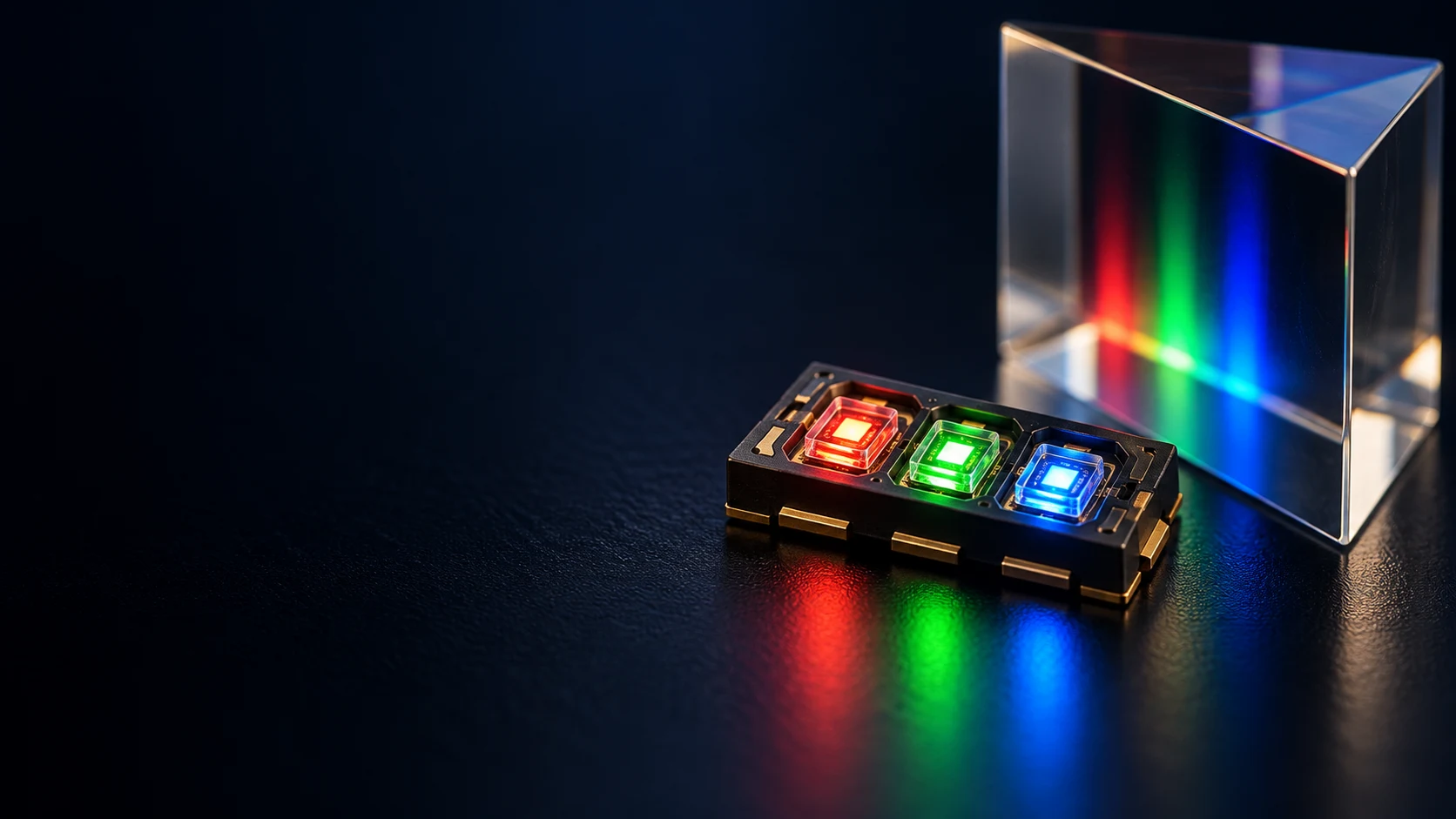
LUMI CRYSTAL / GoX RGB LED
GoX RGB LED is an RGB backlight component within the Lumi Crystal family, providing a starting point for color light sources and module optical integration.
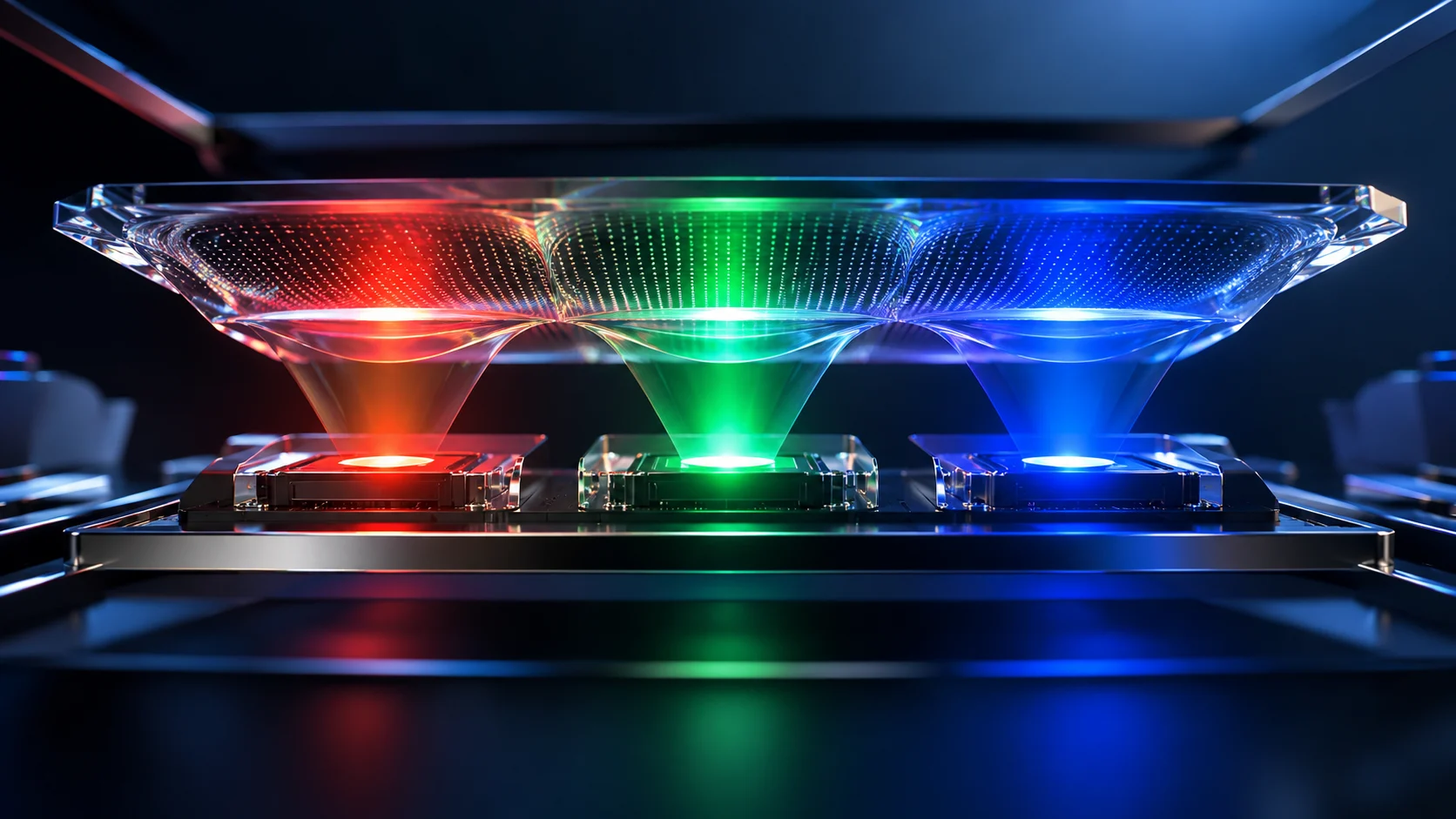
RGB backlighting calls for coordinated consideration of spectra, spatial arrangement, light mixing and driver control. ATT evaluates GoX RGB LED within the optical and electronic architecture to plan integration around color, brightness and volume requirements.
Consider emitting positions and light paths in relation to downstream optics.
Evaluate color performance and calibration needs with the panel, films and driver conditions.
Connect light mixing, thermal and control design to translate component characteristics into module requirements.
Contact ATT to confirm component specifications, availability and applicable architectures. Gamut, efficiency and optical performance depend on the specific design and validation results.
BEHIND THE DESIGN
GoX RGB LED discussions extend from the component to its interaction with optics, the panel and control. Assess the complete module output to determine whether it meets the product's color objectives.
Define required color performance, white point, luminance and power range before selecting an RGB backlight approach. The source spectrum, panel color filters and optical films interact, so component characteristics and module performance should be described separately.
For a specified color-gamut target, agree calculation and measurement methods. Coverage and area ratio describe different things. Compare solutions using consistent panels, settings and reference conditions.
RGB source placement should suit the optical path and available mixing distance. Review edges, corners and viewing positions as well as the center. Assess color uniformity together with luminance uniformity, rather than treating a single measurement point as representative of the complete module.
Use white, grayscale and representative color screens, recording results at agreed locations. Changes to source placement, films or mechanical thickness should trigger another review of their effect on full-area mixing.
Evaluate individual RGB channel settings against component data, target luminance and white point. Power, channel arrangement, control interface and thermal management must fit the module space. Compare initial illumination with stabilized operation to understand behavior under actual use.
Raise brightness and color-mode adjustment needs early, including operating ranges and interface requirements. Appropriate control and calibration can then be discussed; available functions and specifications must be confirmed for the actual component and solution.
GoX RGB LED is an RGB backlight component within the Lumi Crystal family. LumiPi is the brand for products manufactured by ATT. Clarify whether you need components, backlight design or a complete display module so information and integration scope address the right deliverable.
Confirm package, electrical and optical specifications and supply arrangements with ATT. Where a panel and construction are already selected, drawings and specifications make the integration discussion more relevant to the final product.
QUESTIONS & ANSWERS
RGB source spectra are an important design input, but they do not directly specify the finished display gamut. The optical stack, panel colour filters, drive conditions and calibration also influence output. Component characteristics and complete-module performance should therefore be described separately, even when two designs use similar RGB emitters.
Define the reference colour space, calculation method, white point and luminance conditions before comparing percentages. Gamut coverage and area ratio are different measures, and a larger percentage does not by itself mean more accurate rendering of the intended content.
Evaluate the source together with the selected panel and films. Changes made to one channel can affect other targets, so colour, brightness, uniformity and power should be reviewed together. Do not convert an emitter datasheet directly into a finished-module performance promise before the complete combination has been assessed.
Measurements should identify the sample, settings, operating state and locations. Where relevant, compare more than the centre and distinguish initial operation from a stabilised condition. Use white, grey, gradients and representative content to examine the resulting display behaviour; separate gamut extent from white-point and uniformity requirements.
GoX RGB LED is the RGB backlight component within the Lumi Crystal family. Provide ATT with the panel, colour target, white point, brightness and available space, and clarify whether the project needs components, backlight development or a complete module. Published specifications should be based on the verified configuration and stated method, not the brand name or concept imagery.
A GoX conversion should not be assumed to be a drop-in exchange for existing white LEDs. RGB integration can involve source placement, channel driving, mixing, control and thermal design. First document the current module and the interfaces that cannot change; then assess whether retaining its architecture is practical.
Mechanical information should include source positions, available height, films, reflective structure, frame and mounting. Local clearance and tolerances matter as well as overall thickness. A different source arrangement needs renewed optical evaluation, including the centre, edges and corners.
Electrically, confirm supply, channel requirements, pins, connectors and available motherboard controls. Similar total input power does not establish driver compatibility. Additional channels or settings may also affect board space, cable routing and start-up behaviour. Simply obtaining light output is not a complete integration result.
Compare the original and revised samples with the intended panel and consistent test conditions. Record white point, brightness, colour, uniformity, power and temperature where relevant. Any adjustment made to obtain the desired white point should be retained in the configuration record rather than treated as an undocumented tuning step.
Assess stabilised and installed operation, assembly and service implications. Provide ATT with drawings, electrical information and samples so retained parts, required changes and open validation items can be identified. Actual GoX packaging, electrical characteristics, optical specifications and availability require confirmation; direct replacement cannot be inferred from a concept illustration.
Start an RGB discussion with the application, display size, representative content and the improvement you want. Rank colour, brightness, thickness, power and cost objectives, including acceptable ranges. A gamut percentage alone does not provide enough information to assess the complete system.
Provide the panel identity or specification, active area, resolution and interface, together with photographs or samples if available. If the panel has not been selected, state the size and sourcing constraints. Whether an existing panel is mandatory is a major design input because the source and panel need to be evaluated together.
Optical and mechanical information should cover the backlight envelope, source layout, films, reflective structure, frame and installation. Drawings should show references, tolerances and version. If a current sample has edge colour or uniformity issues, identify the positions and conditions rather than sending only a general description.
Define the colour reference, white point, brightness range and proposed test method. Include settings and locations with existing reports. Electrical requirements include supply, available power, controls, cable limits and operating modes such as day/night adjustment. These inputs help clarify hardware and calibration responsibilities early.
Add milestones, sample quantities and required documentation. Clarify whether delivery means GoX components, a backlight or a finished display module: Lumi Crystal is the optical/backlight family, while LumiPi identifies ATT-manufactured products. Shareable information can be supplied progressively; specifications, scope, cost and timing are confirmed against the actual project.
LET’S BUILD YOUR NEXT DISPLAY
Tell us about the application, target size and key specifications. Let’s turn requirements into the next design step.