DISPLAY ENGINEERING · TAIWAN

Every ray of light.
A display advantage.

Optical, mechanical and electronic design working together. High brightness, rich color and deep darks, engineered around your product.

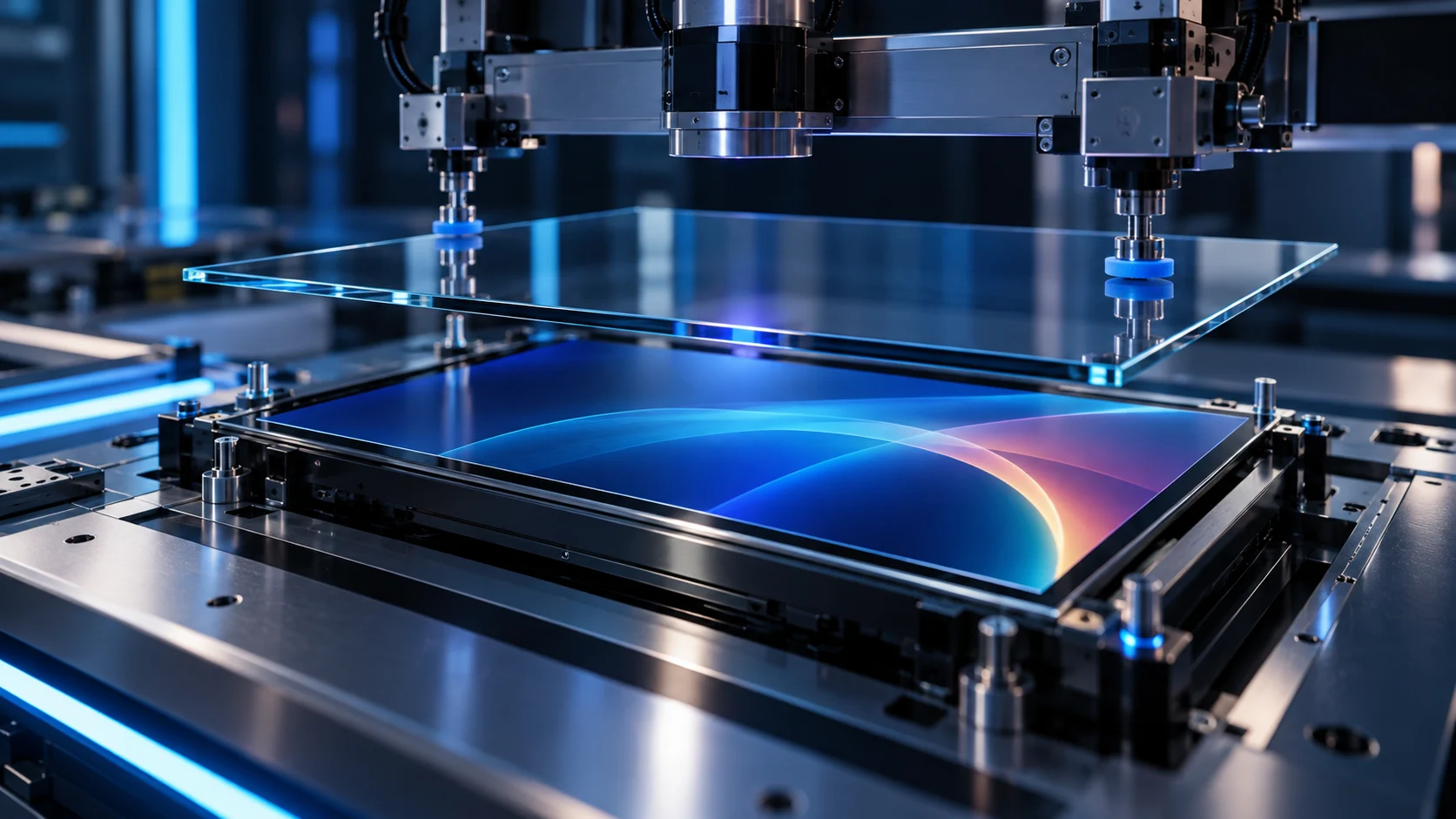
OPTICAL · MECHANICAL · ELECTRICALOriginal AI concept visual; not actual products or facilities.

THE ATT APPROACH

Behind every image,
a system in balance.

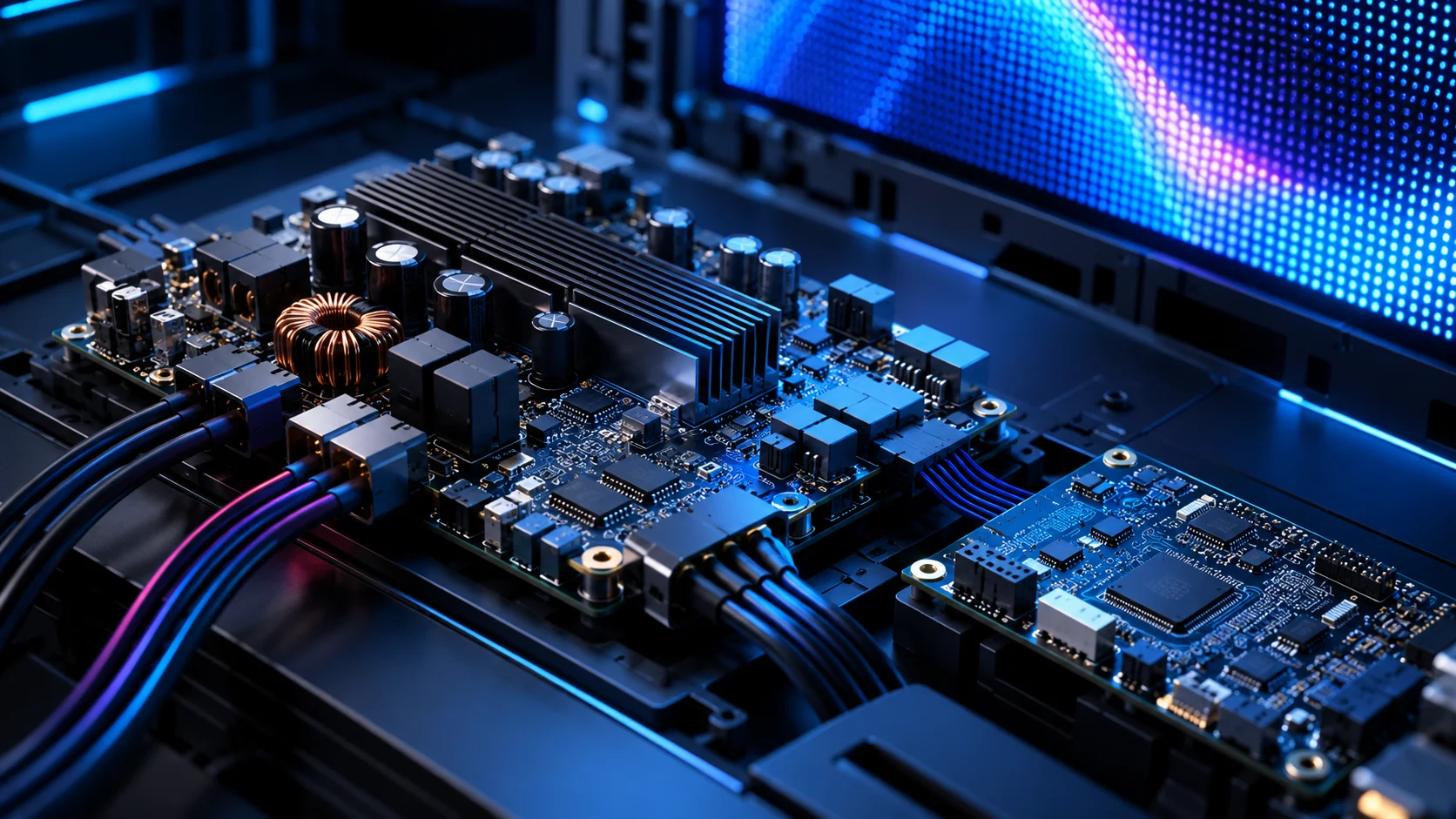
Concept of LED drivers and control circuitry
Original concept illustration

Based in Taiwan, Attractive Marketing Technology provides display design, module integration and manufacturing. We start with the operating environment, then coordinate the light source, optics, thermal design, drivers and panel to balance brightness, color, power and reliability.

About ATT
01

Optical

Light sources, optical films and mixing structures determine how efficiently light is used. Review luminance distribution, edge behavior and film compatibility under representative viewing conditions, connecting local design decisions to full-display appearance.

02

Mechanical

Module thickness, structure and thermal design make the display fit the product. Confirm mounting, frame tolerances and cable exits, then review support and thermal conditions inside the equipment.

03

Electrical

LED drivers, power architecture and zone control make the backlight respond to the image. Coordinate power, control timing and channel allocation with the system board, then assess brightness response using actual content.

LUMI CRYSTAL FAMILY

More possibilities.
Beginning with light.

Lumi Crystal is ATT’s family of backlight and optical solutions, bringing backlight architecture, optics and control together around application needs.

01

Local Dimming

Depth in the dark. Detail in the light.

Adjust individual backlight zones to the image, balancing bright highlights, dark regions and energy use.

Learn more
02

GoX RGB LED

Color begins at the source.

An RGB backlight component within the Lumi Crystal family, supporting color backlight and optical integration.

Learn more
03

Custom Optical Design

A light path for your product.

Light sources and films selected for size, thickness and viewing conditions, with brightness and surface treatment considered together.

Learn more
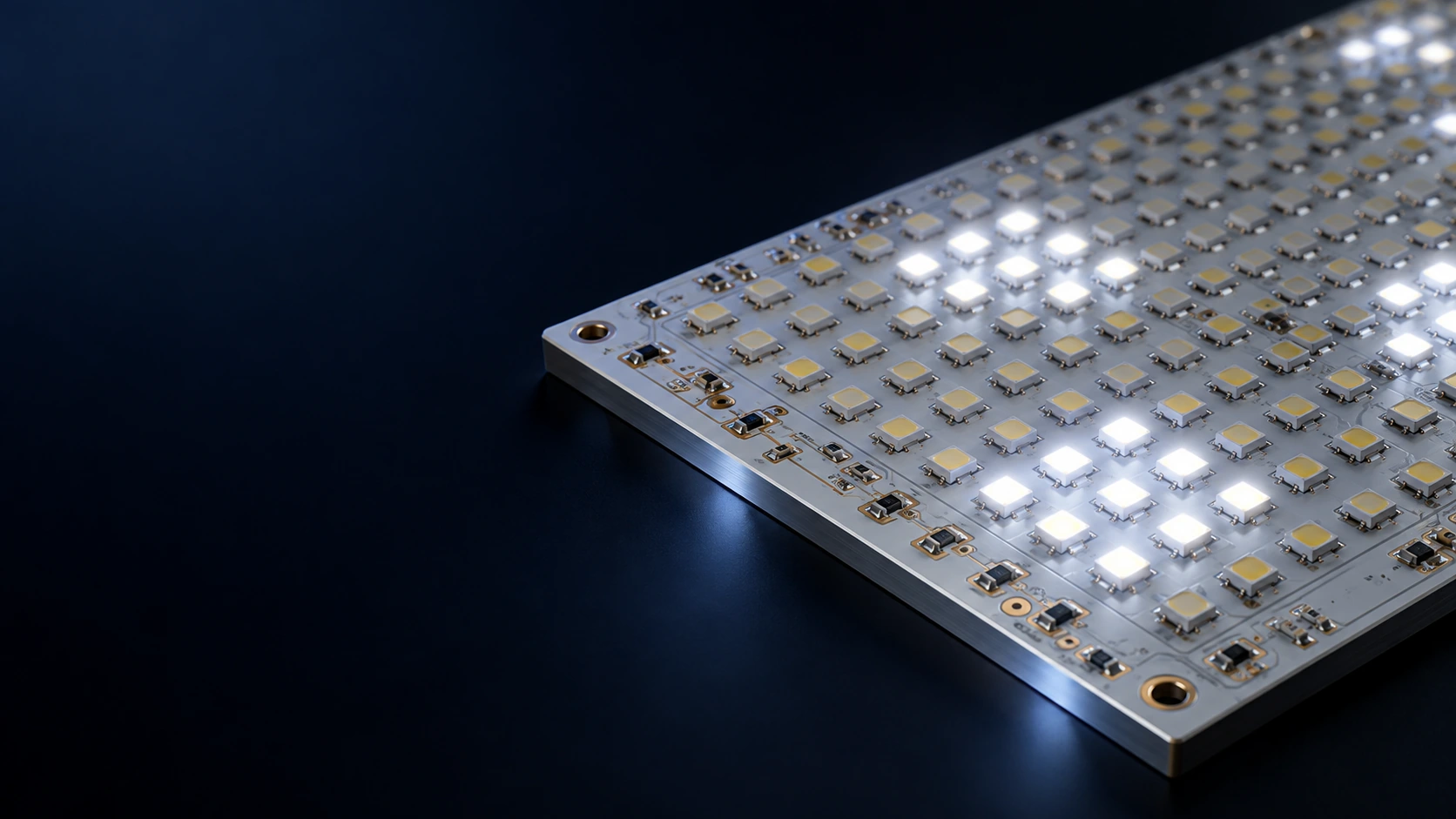
Mini-LED zone backlight concept illustration

LOCAL DIMMING

Deeper darks.
More nuanced light.

Local Dimming adjusts backlight regions to image content, matching light allocation more closely to the needs of the picture.

Learn more

Original concept illustration

Concept of touch glass and display optical bonding
Original concept illustration

THE PRODUCT BRAND

Engineering takes shape.
As LumiPi.

LumiPi is the brand for products manufactured by ATT. We turn multidisciplinary design into hardware, spanning backlight and optical solutions, touch integration, optical bonding and complete display assemblies.

Explore solutions

TOUCH & OPTICAL BONDING

Every layer.
A better interaction.

From GG, GFF and PG touch structures to OCA optical bonding and bonding with the display frame retained, connect materials, optics and mechanics in one considered design.

Learn more

BUILT AROUND YOUR APPLICATION

Different environments.
Different display demands.

01

Automotive

Visibility and cockpit integration

Consider ambient light, dark performance, heat and available space together, according to project requirements. Review daytime navigation, dark nighttime interfaces and viewing angles from different seating positions to define readability and backlight-adjustment needs.

02

Medical equipment

Clear information and interaction

Evaluate clarity, touch and bonding needs for the equipment’s intended use, with validation conditions defined by the customer. Use representative interfaces, cleaning methods and viewing distances in sample evaluations, linking display and touch requirements to the equipment workflow.

03

Aviation & UAV

Ambient light and power budgets

Include sunlight visibility, weight, heat and supply constraints in the design discussion. For mobile controllers, specify battery use, outdoor operation and carrying arrangements so display performance can be balanced against structural and power limits.

Applications

BEHIND THE DESIGN

Put specifications in the context of real use.

Professional display engineering connects individual requirements into a system that works together. From the first specification discussion through sample evaluation and module integration, every choice should reflect how people view, operate and use the product.

01

Understand the application before choosing the technology

An outdoor device, cockpit interface and indoor control terminal face different challenges. Define ambient light, viewing angle, operating distance and usage duration before selecting brightness, backlight, touch and surface treatment. This gives each important specification a purpose and focuses development resources on the parts that affect the user experience.

At the concept stage, share the intended use, target size and most important problem. For an existing module, begin with current specifications and observations from actual use to identify worthwhile improvements.

02

Plan optics and mechanics together

Higher brightness, a thinner enclosure and lower power require coordinated decisions. Light sources, films, mixing distance, thermal paths and frame space influence one another. ATT discusses optical, mechanical and electrical integration together, bringing backlight performance and product constraints into the same design review.

From the backlight and optical solutions in Lumi Crystal to products manufactured under LumiPi, clear brand roles help customers connect a proposed solution with the hardware to be integrated.

03

Build a shared basis for evaluation

A striking demonstration image is only part of the assessment. Sample reviews should also consider day and night operation, sustained use, touch response, assembly clearances and power conditions. Agreed test content, measurement methods and acceptance priorities give design revisions a consistent basis and help purchasing and engineering teams communicate.

Each discussion should clarify which requirement comes first, what information is needed and what the next sample must demonstrate.

LET’S BUILD YOUR NEXT DISPLAY

Your display challenge.
Our integrated approach.

Tell us about the application, target size and key specifications. Let’s turn requirements into the next design step.

Discuss your project